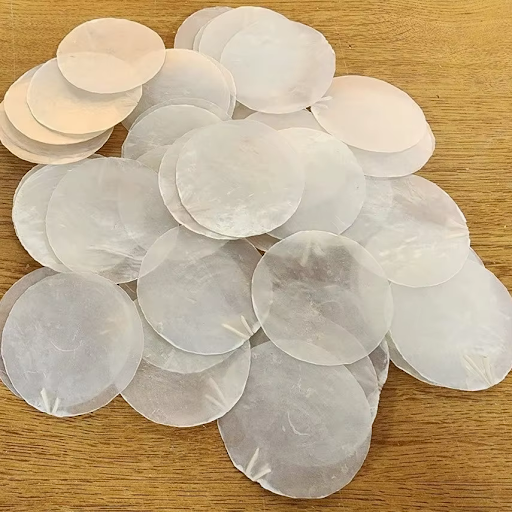
Before glass became as widely known and used as it is today, people in various parts of Southeast Asia utilized natural materials as lighting solutions. One such material was the capiz shell (Placuna placenta), which was once used as a glass substitute.
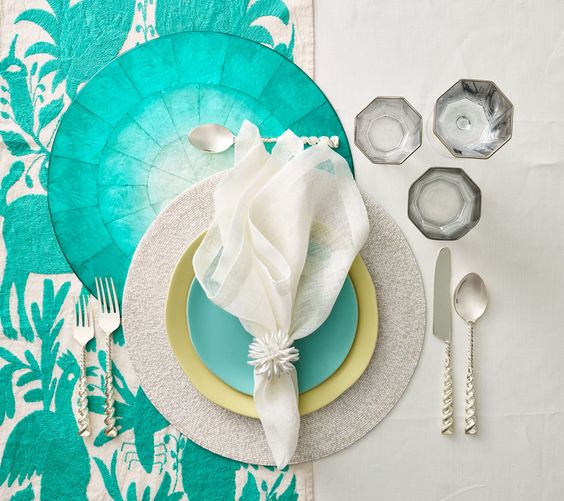
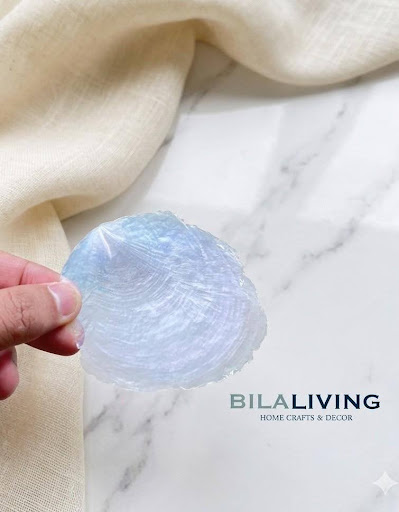
The uniqueness of capiz shells lies in their natural structure, which allows them to transmit light. Unlike glass, which reflects light harshly, capiz shells produce a warmer, more evenly diffused light effect. This is what makes them highly prized, both in the past and in modern interior design. To this day, these characteristics are still used in various decorative products, such as lamps and handmade lighting elements.
Capiz shells originate from shallow waters in tropical regions and are closely linked to coastal ecosystems. Therefore, their use requires responsible management to avoid disrupting the balance of the marine environment. This is where sustainability becomes crucial, particularly when capiz is used as a material in the craft and decoration industries.
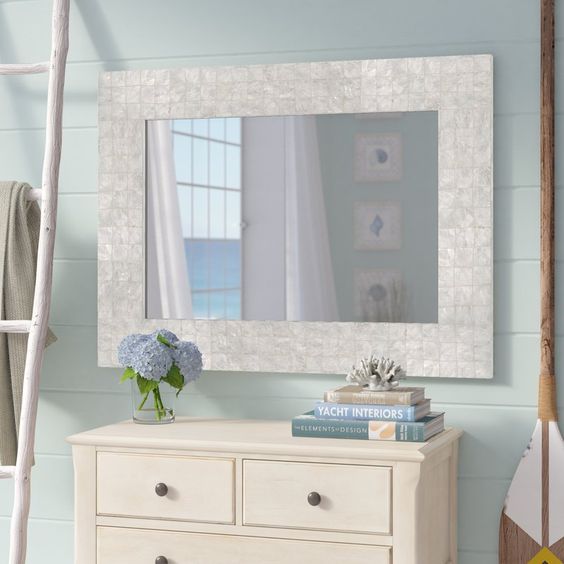
From a glass substitute in the past to an aesthetic element in the modern era, capiz shells prove that natural materials can transcend their practical use. They convey the nuance, aesthetics, luxury, and uniqueness of nature.
Capiz shells demonstrate that natural materials not only have practical functions but also stories and historical value that enrich a product. From a glass substitute in the past to a sophisticated decorative element today, capiz symbolizes how nature, craftsmanship, and creativity can harmoniously blend in a handmade piece.