In the world of luxury hospitality design, creating a memorable guest experience is about more than just functionality, it is about storytelling through space. Designers are constantly searching for materials that bridge the gap between natural raw beauty and refined sophistication. Enter the Capiz shell.
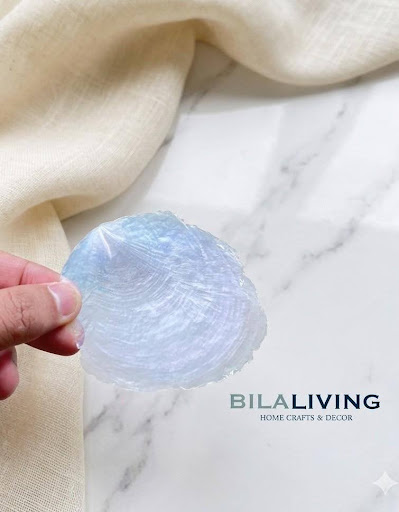
Derived from the outer shells of the Placuna placenta mollusk, native to the seas of the Indo-Pacific, Capiz has evolved from a traditional coastal craft material into a staple of high-end commercial interiors. Here is how Capiz shells are transforming hotels, resorts, and fine-dining spaces by introducing unparalleled beauty, rich texture, and a captivating atmosphere.
- The Aesthetic Beauty: Translucency and Ethereal Glow
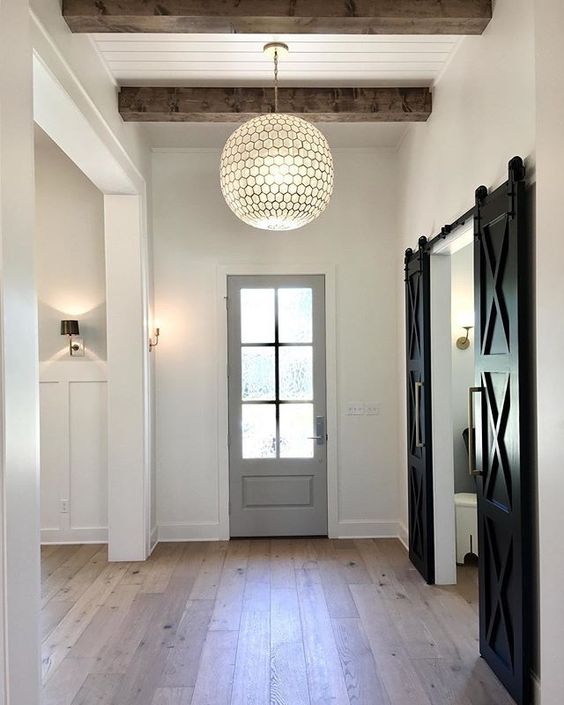
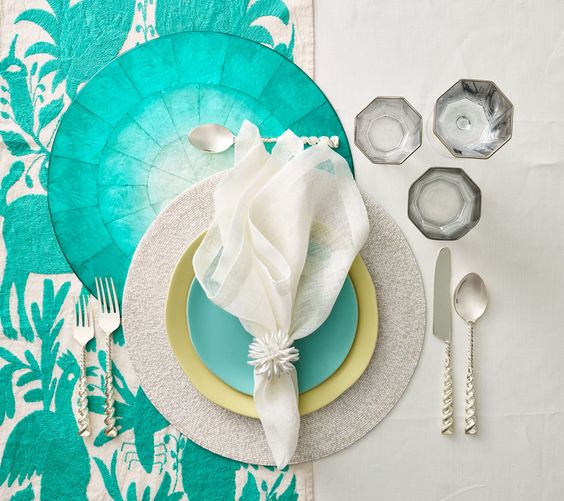
The most defining characteristic of the Capiz shell is its natural translucency. Unlike other marine shells that are completely opaque, Capiz acts as a natural diffuser of light. When utilized in lighting fixtures, such as grand chandeliers in hotel lobbies or delicate pendant lights over restaurant bars, it filters light into a soft, warm, and ethereal glow.
In hospitality, first impressions are critical. A massive, bespoke Capiz chandelier in a reception area does not just illuminate the space; it serves as a dramatic, shimmering art piece that immediately signals luxury and tranquility to arriving guests.
2. Captivating Texture: The Power of Organic Tactility
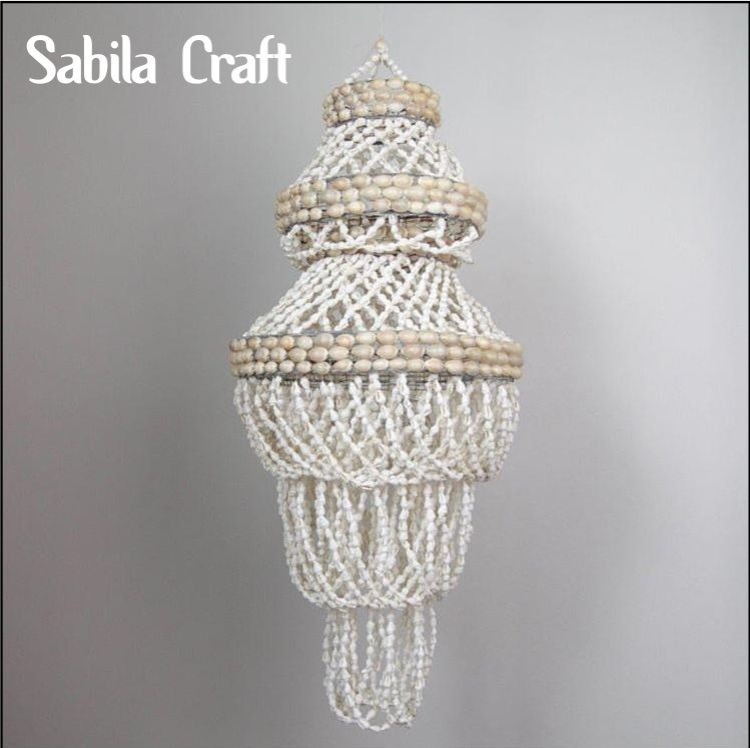
Modern luxury hospitality design is shifting away from flat, sterile surfaces. Designers today favor rich textures that invite the eye, and sometimes the hand to explore. Capiz shells offer a unique structural versatility. They can be carefully cut, flattened, and laid by hand to create intricate patterns, or layered loosely to form dimensional, overlapping scales.
When applied to large surfaces, Capiz introduces a striking tactile element:
- Feature Walls: Seamless Capiz wallcoverings catch the shifting daylight, changing appearance from morning to night.
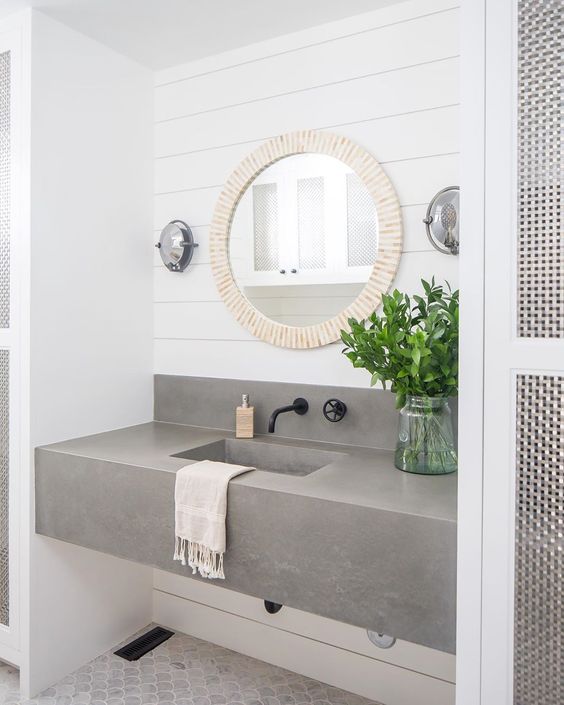
- Furniture Inlays: Credenzas, front desks, and mirror frames inlaid with Capiz bring a bespoke, artisanal feel to guest rooms and suites.
- Acoustic Softness: Beyond visual texture, a large cluster of hanging Capiz shells produces a gentle, glass-like clinking sound when moved by a soft breeze, adding a subtle acoustic layer to open-air beach resorts or wellness spas.
3. Crafting Atmosphere: Biophilic Luxury and Coastal Serenity

Atmosphere is the invisible thread that ties a guest’s emotions to a hospitality brand. With the rise of biophilic, design the practice of connecting indoor environments with the natural world Capiz shells have become an invaluable asset.
Because of their oceanic origins, Capiz shells inherently carry the spirit of the sea. However, unlike rustic driftwood or rough coral, Capiz offers a polished version of nature, often referred to as “coastal luxury.”
When guests step into a lounge or spa adorned with Capiz accents, the material subconsciously evokes a sense of serenity, calmness, and escape. It softens the hard angles of modern architecture, creating an inviting, peaceful atmosphere where guests want to linger longer.
The Sustainability Edge
For the modern hospitality brand, sustainability is no longer optional. Capiz shells are a byproduct of the local fishing industry in coastal communities. By integrating Capiz into luxury design, properties are not only utilizing a renewable, natural material but are also supporting the livelihoods of traditional artisans who hand-harvest and process these treasures of the sea.
Contact Our Team:
WhatsApp: +62 856-2696-881
Email: sabilamultikreasindo@gmail.com.